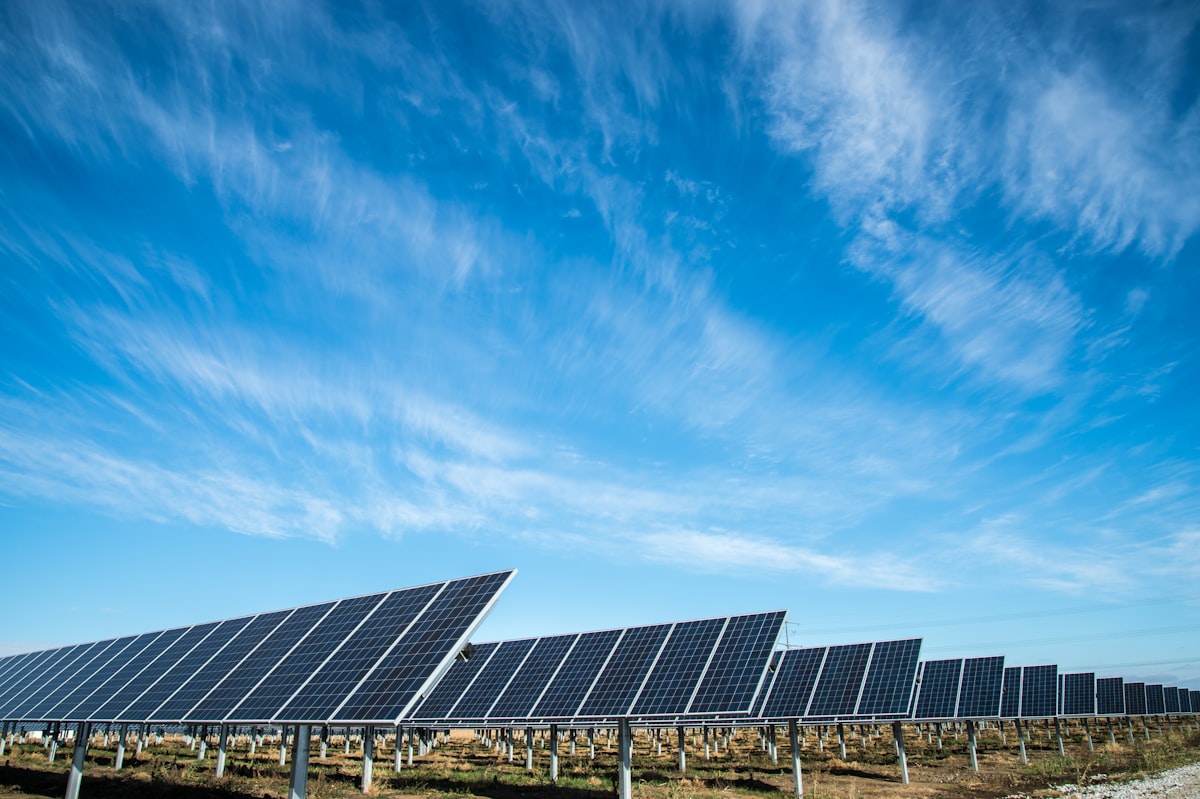
One of the most overlooked factors in solar installations is panel orientation. The same panels, on the same roof, can produce 30% more or less energy depending on where they face. We calculate this for every installation.
The Basics: Azimuth and Tilt
In Nigeria (north of the equator, around 9°N latitude for Abuja), the optimal panel orientation is:
- Facing: True South (azimuth 180°)
- Tilt angle: Approximately 9–15° from horizontal (matching your latitude)
Panels facing east or west lose 15–25% of daily yield. Flat panels (0° tilt) lose efficiency and accumulate dust faster.
How Shading Kills Your System
This is where most amateur installers make a critical mistake. A single shaded cell can reduce an entire string of panels to near-zero output. This is why we:
- Do a site survey before quoting
- Map all shade sources (walls, water tanks, trees, neighbouring buildings)
- Design panel placement to avoid shade during peak solar hours (10am–3pm)
- Recommend microinverters or optimisers for roofs where shading cannot be avoided
When Shading Cannot Be Avoided: HiMo X10 Panels
Some roofs have unavoidable obstructions — a water tank that cannot be moved, a parapet wall that casts morning shadow, or a neighbouring building. For these situations, standard panels are a bad choice. We now stock the Longi HiMo X10, a back-contact monocrystalline panel specifically designed to handle partial shading without collapsing the string's output.
In a conventional panel, the electrical contacts run across the front of each cell — shading any part of a cell shades those contacts and the current drops for the entire series string. The HiMo X10 moves all electrical contacts to the rear of the cell, eliminating this vulnerability. Partial shade on one cell stays partial — it does not drag down your whole array.
The HiMo X10 also delivers higher efficiency per square metre, so if roof space is limited, you get more power from fewer panels. It is available as a standalone product in our shop or we can specify it into any system where a site survey shows shading risk.
Abuja-Specific Considerations
Abuja receives strong solar irradiance year-round — approximately 5.5 peak sun hours per day on average. The harmattan season (November–February) brings dust that can reduce panel output by 5–20% if panels aren't cleaned. We account for this in our energy yield calculations.
What This Means for Your System Size
An incorrectly orientated system might need 20–30% more panels to deliver the same daily energy as a correctly-orientated one. Getting the orientation right from day one saves you money on panels and battery capacity.
This is why we always do a site assessment — chat with us before you buy.

